
Bez kategorii
Lambda sensor - why it is necessary in the car
Lambda probe - an inconspicuous part of the exhaust system, which is talked about a lot less than about catalysts. Owing a bit of mystery, many are not…
Enter the number on the housing. Check the photo and available information, then find a buying point in your voivodeship.
How do you read the number and prepare photos?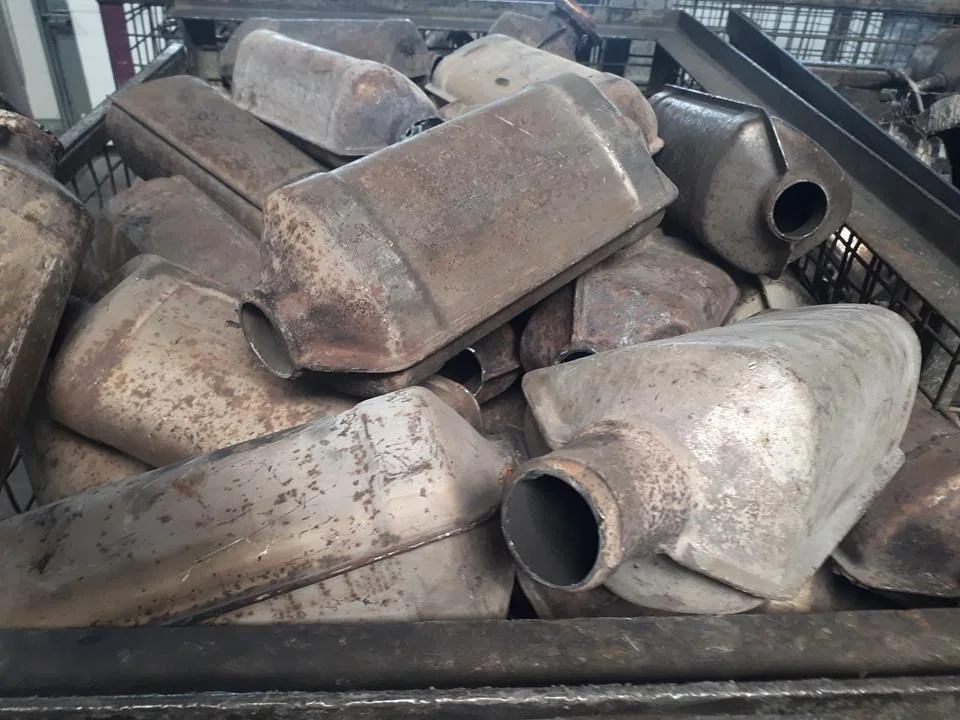
Select a voivodeship on the map or from the list to see partner buying points in the region.
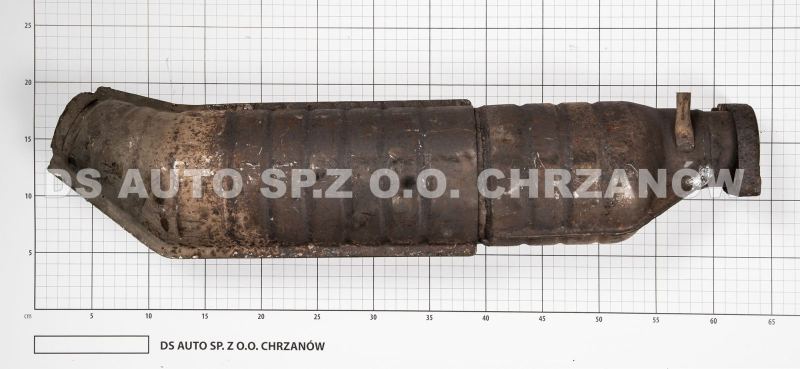
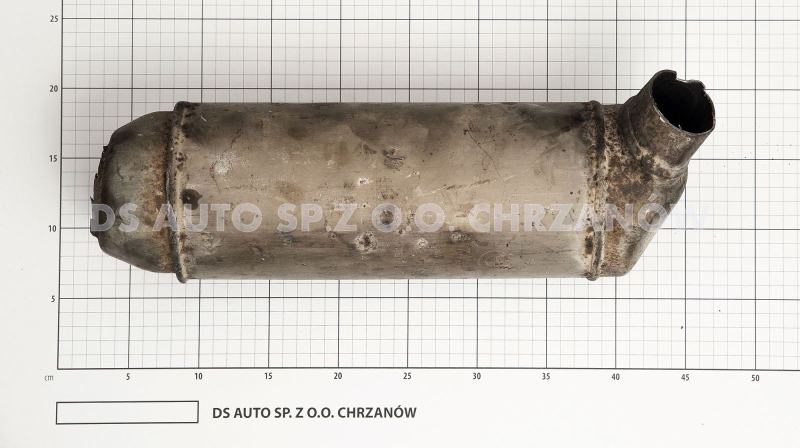
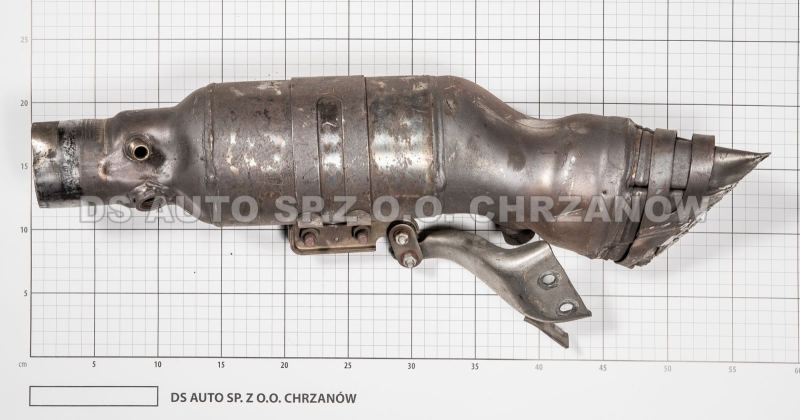
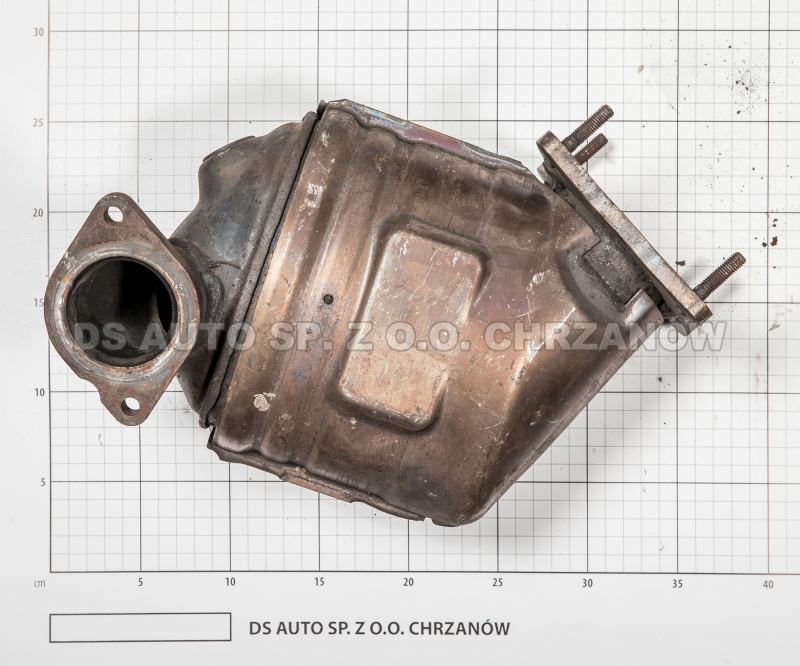
Confirm the current quote directly with the buying point. Have the converter number and photos ready for your enquiry.
Check the marking on the housing and compare the photo in the database.
Show the whole part, the number and any visible converter core.
Agree on a current quote and the terms for handing over the part.
Ask DS AUTO about cooperation terms and a quote for a batch of catalytic converters.
Wholesale cooperation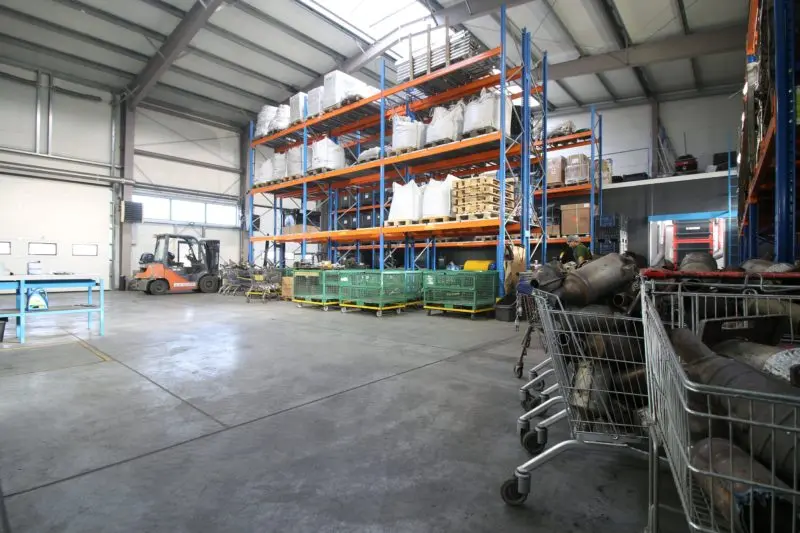
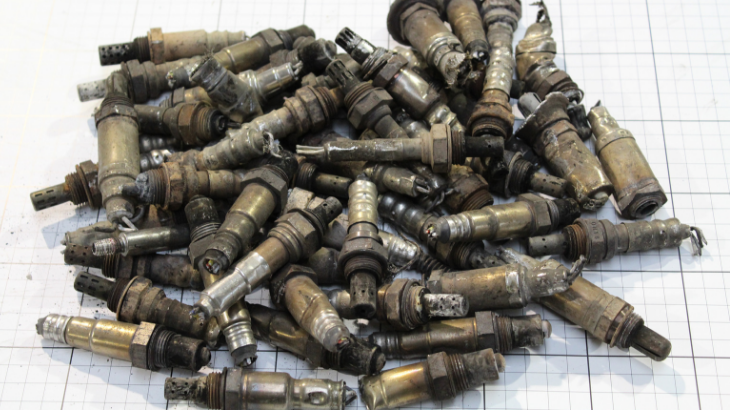
Lambda probe - an inconspicuous part of the exhaust system, which is talked about a lot less than about catalysts. Owing a bit of mystery, many are not…
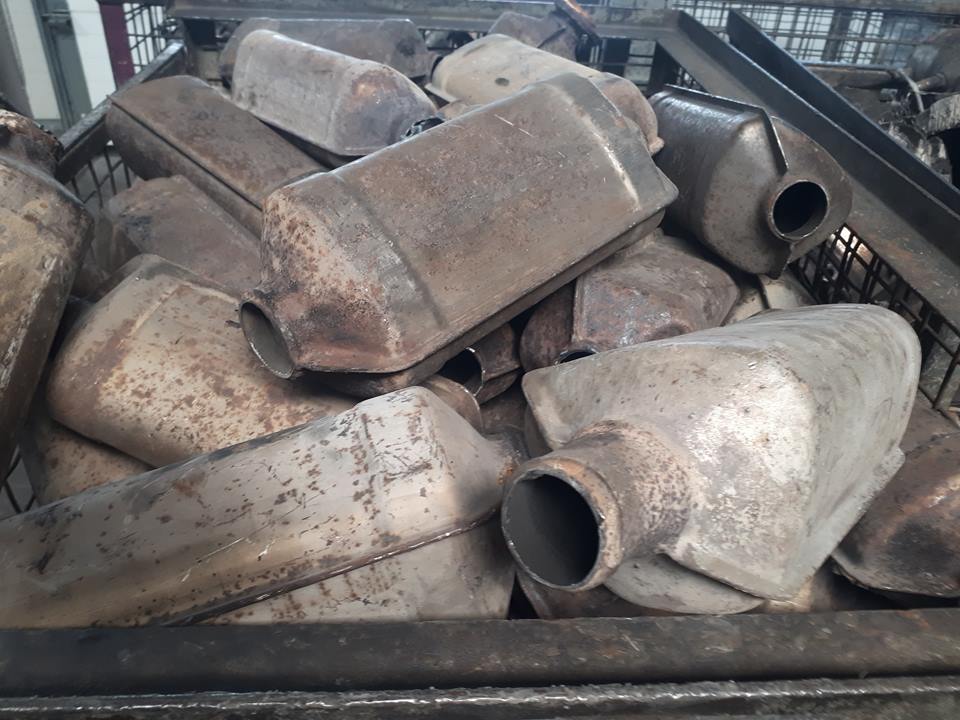
Diesel particulate filters together with catalytic converters clean up exhaust gases. The filter also called DPF is installed in vehicles equipped with diesel engines. It is one of…
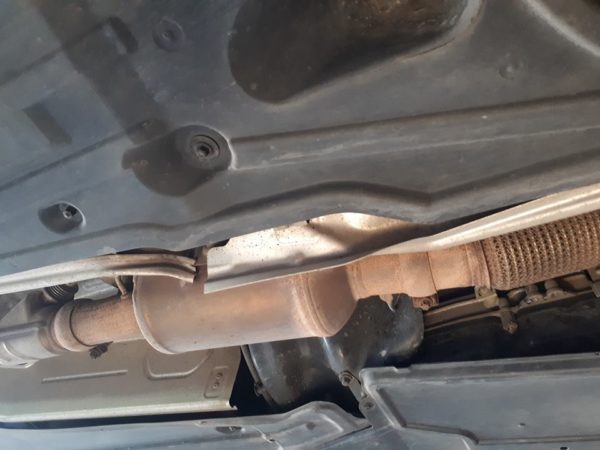
The diesel particulate filter is one of the parts that makes up the exhaust system. The filters are installed in vehicles equipped with diesel engines to remove soot…
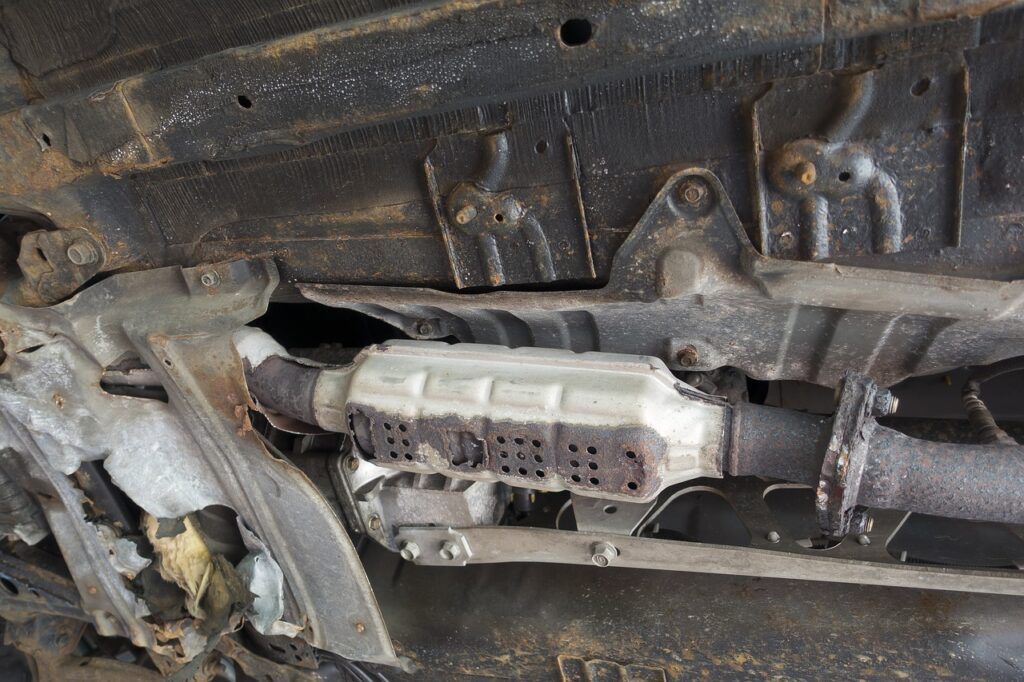
One of the most searched phrases related to cats is that about when to cut it out. There is nothing wrong about cutting out the cat if you…
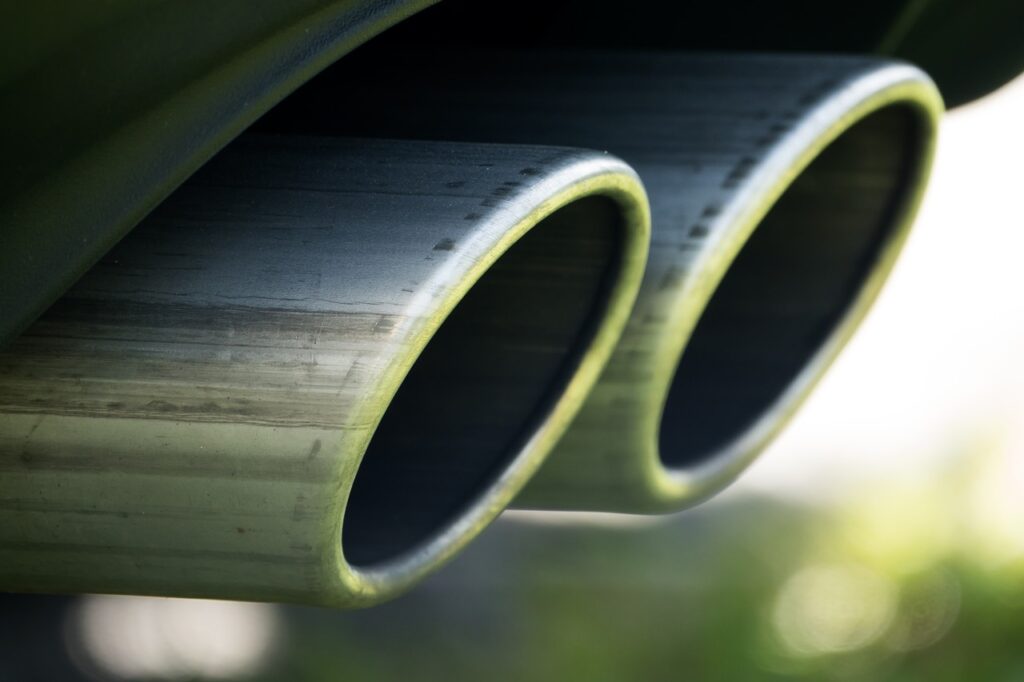
If e.g. your turbocharger has failed and the exhaust system, including the cat, is contaminated with oil it has to be removed from all the parts before running…
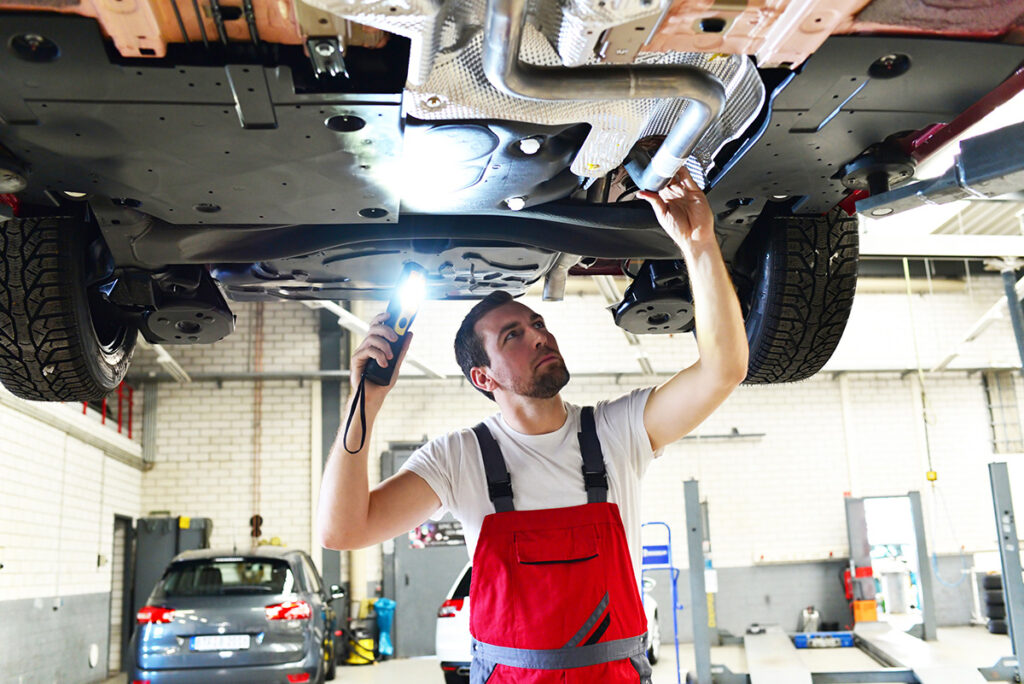
A clogged catalytic converter translates into a lower engine power, irregular running of the engine and vibrations in idle run. Do such symptoms always indicate the necessity to…
Looking for the cause of a fault, a part number or information about selling? Choose a topic. We explain what you can check yourself, what requires diagnostics and which details to prepare for a quote.
What a catalytic converter does and how to approach a suspected fault.
A catalytic converter is an exhaust system component that reduces emissions of harmful substances in exhaust gases. The gases flow through a core with a catalytic coating. In a petrol engine's three-way catalytic converter, reactions reduce the amounts of carbon monoxide, hydrocarbons and nitrogen oxides.
Not every car has the same exhaust aftertreatment system. In a diesel, the catalytic converter may work with a DPF and an SCR system. Before identifying the part, check its marking: the housing's appearance alone does not tell you the function of the whole assembly.
Understand the exhaust systemSources:
Johnson Matthey: metals and catalytic converter operation
Restricted exhaust flow can cause loss of power and difficulty accelerating. A crumbled core may rattle, and reduced exhaust treatment efficiency may trigger the engine warning light. However, not every damaged converter is blocked, and not every such fault produces all these symptoms.
Similar problems can result from other engine or exhaust faults. A garage should read the fault codes, check for leaks and assess engine operation, and take appropriate measurements if a blockage is suspected. Replacing the part based only on the warning light may not resolve the cause.
Sources:
Walker: questions about catalytic converter faults
Walker: exhaust system diagnostics
No. P0420 indicates catalyst system efficiency below the diagnostic threshold for bank 1. The code alone does not conclusively identify the cause or confirm a blocked core. P0430 refers to an equivalent problem in bank 2, if the engine has this configuration.
Before deciding on replacement, other fault codes, exhaust leaks, sensor operation and the air-fuel mixture must be considered. Simply clearing the code does not repair the fault. Ask the garage for the diagnostic results and an explanation of what confirms damage to the converter.
Sources:
Walker: exhaust system diagnostics
A catalytic converter promotes chemical reactions that reduce harmful substances in exhaust gases. A DPF/FAP particulate filter traps particles, including soot. These components may sit alongside one another or be combined in a single assembly. Filters with catalytic coatings also exist.
Filter regeneration by burning off soot is not a universal method for repairing catalytic converters. It also does not remove ash accumulated in a DPF. For a fault or valuation, the component involved must be identified, instead of using the terms 'catalytic converter' and 'DPF' interchangeably.
Go to exhaust system guidesSources:
HELLA: DPF particulate filter
Johnson Matthey: metals and catalytic converter operation
No. Cleaning will not restore a melted, cracked or missing core. Damage may also result from oil or coolant contaminating the coating. Before paying for a service, the type of damage must be identified and the achievable result established.
The cause of the failure is equally important. Faulty ignition, burning oil or coolant entering the engine can also damage a new part. Ask the garage how it will check the core's condition and the effectiveness of the repair. Do not apply DPF burn-off procedures to a catalytic converter.
Sources:
Walker: construction and causes of damage
HELLA: DPF particulate filter
Removing a factory-fitted catalytic converter is not a repair of the exhaust aftertreatment system. Missing, modified or clearly defective factory-fitted emission control equipment is covered by the roadworthiness inspection. An empty housing does not restore its function.
If the converter has been damaged or stolen, agree with a garage on how to restore the system in line with the vehicle's requirements. The part must match the specific application and emissions standards, not just the pipe diameter. In the event of a failure, the problem that caused the damage must also be resolved.
Sources:
EUR-Lex: roadworthiness tests, Annex I, point 8.2
Walker: questions about catalytic converter faults
How to identify your catalytic converter and what to look for in the database.
Look for the marking on the outer surface of the housing. Copy the entire sequence, including letters and number suffixes. Also take a photo of the marking and the whole part so the number can be compared with its appearance.
Do not guess illegible characters. In your enquiry, state which letters or digits you are unsure about and provide the other visible markings. If the part is still fitted and cannot be accessed safely, ask a garage to read the number. Do not cut open the housing to begin identification.
Search for the number you have readSources:
DS AUTO: catalytic converter identification and purchasing
Enter the marking on the housing in the catalytic converter database search. Open the matching listing and compare the full number, make and available photos. You can also narrow the list using the make filter, but the vehicle manufacturer alone should not determine the identification of a specific part.
Pay attention to marking suffixes and differences between similar results. The listing helps with identification; it does not confirm the current purchase price or provide instructions for selecting a replacement part. If unsure, send the buying point a link to the listing and a photo of your own converter.
Open the catalytic converter databaseNo search result does not mean the converter has no value. First check how you entered the number and read the letters. If you still cannot find the part, prepare photos of the housing from several sides, visible markings and any damage. Also note which vehicle it came from, if you know.
Ask a buying point for help with identification. Photos can help with an initial assessment, but an unidentified or damaged part may need to be inspected in person. Do not assign it the price of the most similar image online. Agree directly with the buyer on how to send the photos.
Find a buying point for identificationSources:
DS AUTO: valuation based on the number and material
These details help describe the part's origin but do not replace identification of the converter you actually want to sell. The same car model may have different exhaust system versions. The part may also have been replaced previously.
Above all, include the full marking on the housing and the condition of the part in your enquiry. Treat the vehicle make, engine version and model year as supplementary information. If you only have vehicle details, say so: a preliminary model identification should not be treated as a confirmed purchase offer.
Ask about identification and valuationSources:
DS AUTO: valuation principles
The difference concerns the substrate material inside, not the metal housing visible from the outside. A ceramic core has a channel structure, while a metallic core is made from thin metal foils. The substrate carries a coating that participates in exhaust gas treatment.
The description 'ceramic' or 'metallic' alone is not enough to determine a price. A comparison requires the specific model and material condition. Check the database listing and confirm an uncertain core type during valuation. Do not cut open the part just to match it to a photo.
Check the part description in the databaseNot necessarily. A similar housing shape and size do not mean identical precious metal content. Different markings may indicate different models, so matching by photo alone is not accurate enough to confirm a price.
When comparing offers, make sure each covers the same number and the same core condition. Do not omit final letters or damage information. If you do not know whether the part is original or has previously been replaced, explain that uncertainty to the person providing the quote.
Find out how to get a quoteSources:
DS AUTO: catalytic converter identification and purchasing
What affects an offer and how to compare quotes.
There is no single price for every used catalytic converter. First identify the model and condition of the part, then obtain a current offer. In this guide, you can identify the part in the database and find a buying point. The public listing does not currently show a confirmed numerical price.
Send the full marking, number of units and a description of their condition. Ask whether the quoted amount is preliminary, what needs checking on receipt and how long the offer is valid. An old price list, search result or price for a similar model does not confirm the amount for your part.
How to get a current quoteThe main factors are the types and amounts of precious metals in the material and their current market prices. How much core material actually remains in the delivered part also matters. The model number helps relate it to data for that converter.
A heavy housing does not necessarily mean a more valuable core. When comparing offers, provide the same information: the marking, completeness and number of units. If the quote is to be based on material analysis, agree on sampling, settlement and how the result will be presented before delivery.
Prepare a price enquirySources:
DS AUTO: valuation principles
Johnson Matthey: metal recovery and refining
Valuation is linked to the precious metals market, so an offer from last month may no longer be current. A difference between two offers may also arise because one covers a complete part and the other covers material after inspection or analysis.
Compare offers with similar dates and scope. Note the part number, amount, conditions for confirming it, any delivery costs and the settlement date. If the final price differs from the initial quote, ask for the specific reason before accepting the transaction.
Go to valuation informationSources:
DS AUTO: valuation principles
There is no single number of grams that applies to all catalytic converters. The composition and metal content depend on the part's design and application. Do not assume that every core contains all three metals in equal proportions.
Their amounts cannot be reliably calculated from the weight of the whole housing. Assessment requires data for the identified model or analysis of a representative material sample. An online 'average platinum content' is not a basis for calculating the price of a specific converter.
Sources:
Johnson Matthey: metals and catalytic converter operation
Johnson Matthey: metal recovery and refining
Damage and a missing core are different situations. A faulty part may still contain material with precious metals. If the core is missing, an empty housing cannot be assigned the value of a complete converter with the same number.
Describe cracks, missing material and any previous alterations. Keep any fragments you have for the buyer to assess, instead of assuming the part is worthless or worth the full catalogue price. The buying point confirms acceptance and the amount after establishing what it will actually receive.
Ask the buying point about a damaged partSources:
Johnson Matthey: metals and catalytic converter operation
DS AUTO: valuation based on the number and material
In the buying trade, 'monolith' often means the ceramic core of a catalytic converter, including material removed from the housing. A batch of this material can be paid for based on its weight and measured metal content. However, there is no single universal price per kilogram for all cores.
Before handover, agree on what material the offer covers, how it will be weighed and how samples will be taken. Do not compare the price per kilogram of core material with the price per kilogram of whole parts including housings. Agree with the buyer on batch preparation before mixing or crushing it.
Ask for a quote for a batch of materialSources:
DS AUTO: wholesale services and preparing a delivery
Johnson Matthey: metal recovery and refining
How to prepare a single part or a larger batch for handover.
When selling individual parts, choose a partner buying point handling retail transactions. Select a voivodeship on the guide's map, open the list of locations and check the chosen point's details. Before travelling, call, provide the part marking and ask about current acceptance terms.
Confirm the address, opening hours, availability of an on-site valuation and payment method. The buying point directory helps you find contact details, but does not replace making current arrangements for a visit. Collection from your location also needs to be confirmed with the particular buying point.
Find a buying point in your voivodeshipThis can be arranged with a buying point that accepts shipments. First contact the buyer and provide the number and condition of the part. Arrange shipping only after agreeing on the terms. Not every address on the map necessarily accepts parcels.
Before dispatch, confirm the address, how to protect the material, shipping costs and the required details. Also ask when the final valuation will take place and what will happen to the parcel if you do not accept the offer. Keep photos of the part you hand over and proof of dispatch.
Arrange shipping with the buying pointPrepare the full number from the housing, the number of units, the town and a description of the condition: whether the core is complete, whether the part has been opened and what damage it has. Take a sharp photo of the number and photos of the whole housing. If you know the part's origin, also provide the vehicle details.
In your enquiry, say whether you want to visit, send the part or discuss a larger delivery. Agree with the buyer on how to send photos; the guide's contact form is for describing your enquiry and leaving contact details. Do not assume a photo alone can confirm that a hidden core is complete.
Send a quote requestAsk the buyer which details and documents are needed in your situation. Explain whether you are selling as a private individual or a company, where the part came from and what material you are handing over. Do not assume the procedure for a single part is identical to that for a company's batch of waste.
Agree on how handover, valuation and payment will be documented. For a business delivery, also confirm requirements for waste records and transport documents, where applicable. Keep the confirmations you receive; a list of questions for the buying point does not replace checking a particular company's obligations.
Agree on delivery preparationDS AUTO's wholesale service covers deliveries of at least 100 catalytic converters or 100 kg of ceramic core material in a single delivery. Smaller quantities of whole parts should be taken to a partner buying point handling retail transactions. Confirm the material type and acceptance terms before transport.
In a wholesale enquiry, provide the number of units or core weight, its type, the town and planned delivery frequency. Agree on timing, transport, analysis method, documentation and settlement. Simply meeting the quantity threshold does not determine the price of a particular batch.
Discuss wholesale cooperationSources:
DS AUTO: wholesale services and preparing a delivery
Processing aims to recover valuable metals from used material. In a properly prepared process, the material is assessed and analysed, then sent for recovery and refining to separate the metals and prepare them for reuse.
Selling a part and recycling it are successive stages, not always carried out by the same company. Ask the buyer how the handover will be documented and what will happen to the material afterwards. Do not dispose of the core with ordinary household waste; arrange handover to an organisation that accepts this material.
Check buying point contacts